Jerusalem’s Largest Jewish Cemetery and a Place of Eternal Connection
For generations, Jews throughout the world have turned toward Jerusalem in prayer, hope, and longing. The holy city has stood at the center of Jewish life for more than three millennia, and for countless individuals, the dream of being laid to rest in Jerusalem has been a cherished aspiration.
The History of Har Hamenuchot
Jerusalem’s Largest Jewish Cemetery and a Place of Eternal Connection
For generations, Jews throughout the world have turned toward Jerusalem in prayer, hope, and longing. Our holy city has stood at the center of Jewish life for more than three millennia, and for countless individuals, the dream of being laid to rest in Jerusalem has been a cherished aspiration.
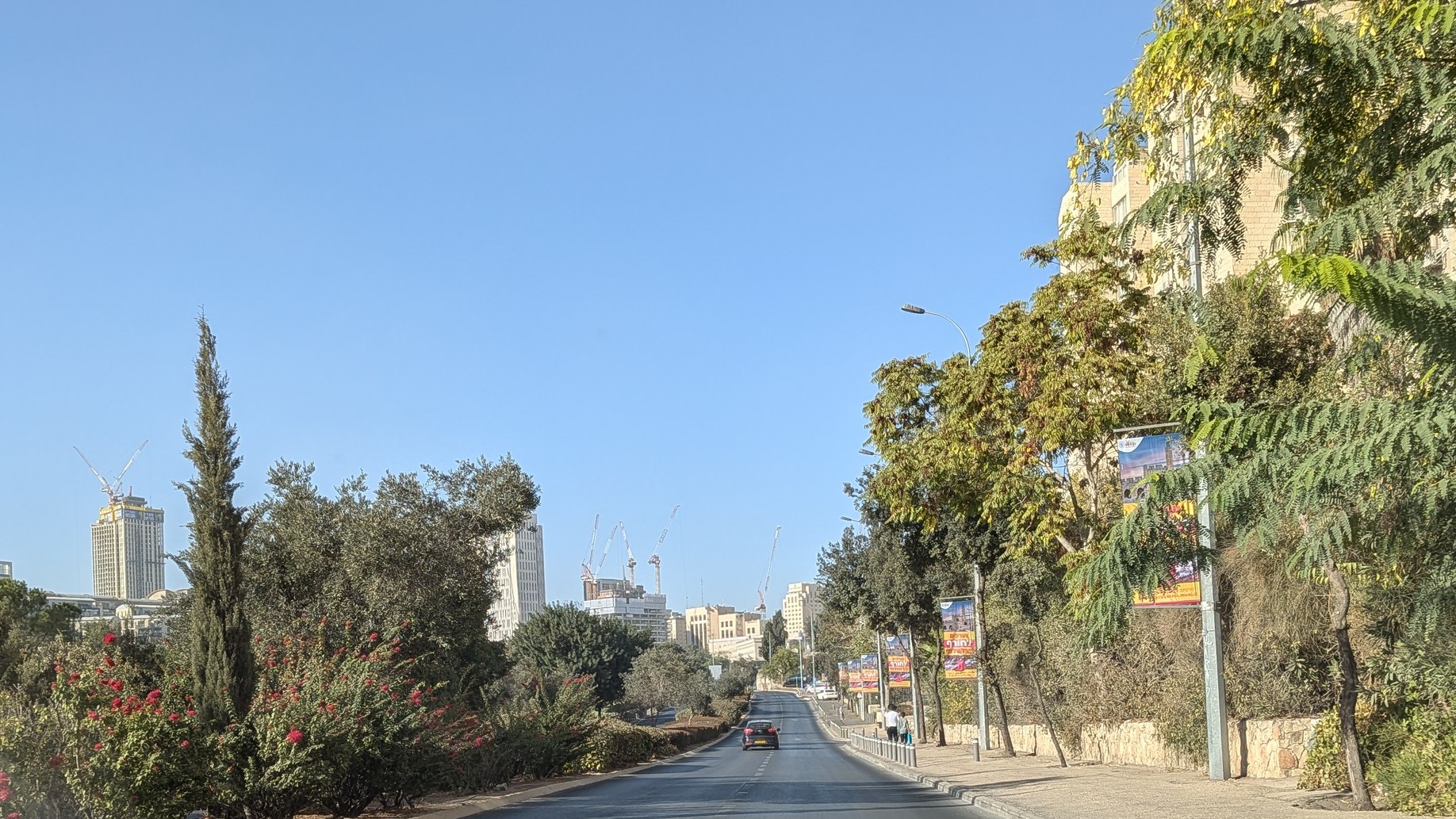
Today, Har HaMenuchot Cemetery fulfills that aspiration for thousands of Jews from Israel and around the world. Situated at the entrance to Jerusalem from the west, Har HaMenuchot is now the largest Jerusalem cemetery, and one of the most significant Jewish burial sites anywhere in the world.
Har HaMenuchot is a living testament to the enduring bond between the Jewish people and Jerusalem.
A Legacy Born from Jerusalem’s Modern History
For centuries, Jewish burial in Jerusalem centered on the ancient cemetery of the Mount of Olives, whose slopes have served as a burial ground for thousands of years.
Following Israel’s War of Independence in 1948, access to Har Hazeitim was cut off, leaving Jerusalem’s Jewish population without access to its antient historical cemetery. In response, community leaders established a new burial ground on a prominent hill overlooking the western entrance to the city.
The first burial at Har HaMenuchot actually took place back in 1951, and today the cemetery has over 150,000 plots.
As Jerusalem grew, so did Har HaMenuchot, expanding across the surrounding hillsides and serving an ever-growing population. Today, the cemetery continues to welcome families from across the country, North America, Europe, and beyond.
The Final Resting Place of the Torah World
For many visitors, particularly amongst the Orthodox Jewish communities, Har HaMenuchot holds profound significance as it is the resting place of many of the most influential Torah leaders of the modern era.
The cemetery is home to generations of revered rabbinic authorities, Roshei Yeshiva, Chasidic Rebbes, Jewish educators and communal leaders, whose teachings continue to shape Jewish life throughout the world.
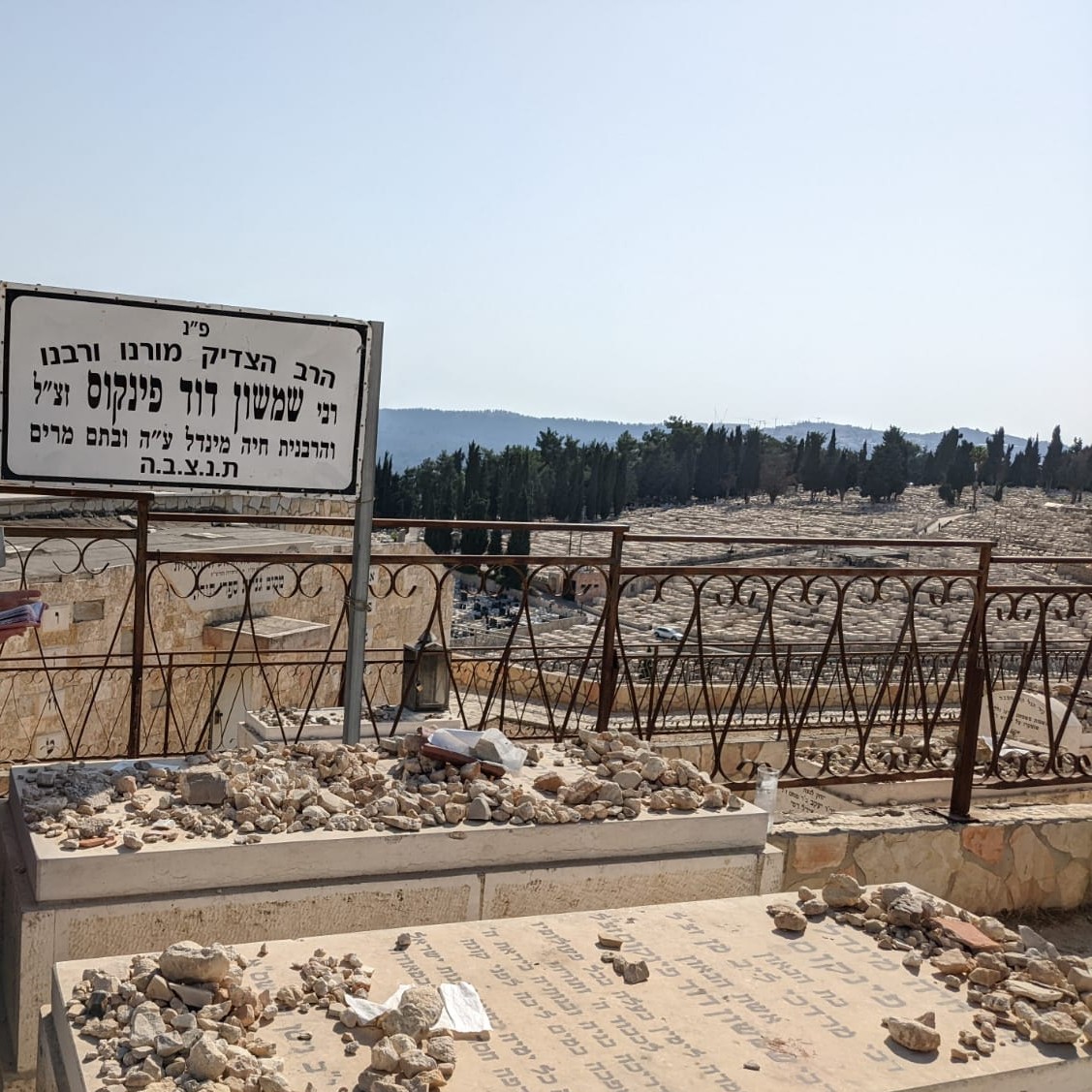
Among the many distinguished figures buried at Har HaMenuchot are Rabbi Moshe Feinstein, Rabbi Aharon Kotler, Rabbi Isser Zalman Meltzer, the Chidah, the Alter of Novardok, Rabbi Ephraim Oshry, Rabbi Shimshon Pincus, Rabbi Shlomo Zalman Auerbach, Rabbi Yosef Shalom Elyashiv, Rabbi Nosson Tzvi Finkel, Rabbi Aharon Rokeach of Belz, Rabbi Yitzchak Kaduri, and countless other luminaries whose influence spans continents and generations.
Every year, thousands of visitors come to Har HaMenuchot to pay their respects, seek inspiration, and connect with the legacy of the Torah giants whose voices continue to resonate throughout the Jewish world.
Ashkenaz / Perushim Section
At the heart of Har HaMenuchot lies the renowned Perushim Section, administered by the historic Ashkenazi burial society of Jerusalem.
Rooted in the traditions of the Old Yishuv and the disciples of the Vilna Gaon, the Perushim community has preserved centuries-old burial customs characterized by dignity, humility, and simplicity. Visitors immediately notice the distinct appearance of this section, where traditional layouts and understated monuments reflect a timeless approach to Jewish burial.
One of the most visited areas of the cemetery is the celebrated Chelkat HaRabbanim (Rabbis’ Section), located near the main entrance. Here rest many of the leading Torah authorities of the twentieth and twenty-first centuries, representing the great yeshivot and rabbinic institutions of Israel, Europe, and North America.
For families connected to the world of Lakewood, Mir, Brisk, Torah Vodaath, and countless other Torah institutions, the Perushim section serves as a living legacy of the rabbinic leaders who built our Torah life and helped shape contemporary Orthodox Judaism.
A Reflection of the Entire Jewish People
One of Har HaMenuchot’s most remarkable qualities is the diversity of the communities it serves.
The cemetery is organized into sections administered by various chevrei kadisha (burial societies), each preserving the customs and traditions of the communities they represent. Alongside the Ashkenazi Perushim and Hasidic sections are areas serving the Sephardic, Yemenite, Bukharan, Georgian, and Kurdish Jewish communities.
Together, these sections create a unique portrait of the Jewish people in all their diversity.
Scholars and laborers, rabbis and community leaders, immigrants and native-born Israelis, families from Jerusalem and families from abroad all find their final resting place within the sacred landscape of Har HaMenuchot.
In many respects, the cemetery serves as a living chronicle of Jewish history and the remarkable story of the Jewish return to Jerusalem.
A Sacred Choice for Families Around the World
Over the past several decades, Har HaMenuchot has become a preferred burial destination for Jewish families throughout the Diaspora.
Thousands of families from the United States, Canada, the United Kingdom, Europe, South Africa, and other communities have chosen Jerusalem as the final resting place for loved ones. For some, this decision fulfills a lifelong dream. For others, it reflects a deep spiritual connection to the Land of Israel and the eternal city of Jerusalem.
Today, a significant percentage of burials at Har HaMenuchot involve individuals who lived abroad and whose families sought to honor their wishes to rest in Jerusalem.
The cemetery’s longstanding experience working with international families and funeral providers has made it a trusted destination for those seeking burial in accordance with Jewish tradition and with the highest standards of dignity and care.
Cemetery Expansion for Future Generations
As Jerusalem’s population continued to grow, the challenge of preserving burial space became increasingly urgent.
In response, the government undertook an innovative project and built the Minharot Olam complex. It is a combined complex which include;s underground burial plots, cave burial plots and plots located in the building. The project created thousands of additional burial spaces, but does not include the traditional “field plots”.
Shaar Hamenuchot is now in the final stages of building the new, privately owned cemetery on the east side of Har Hamenuchot. The new cemetery is on the side of Har Hamenuchot that is close to the neighborhood of Givat Shaul. We will soon have hundreds of new traditional burial plots on Har HaMenuchot!
Now Is The Time To Act!
Shuls, Yeshivas, Federations, Jewish Organization that are looking for an exclusive section in the new cemetery should act now.
Besides the low prices, now is the chance for members of your kehilla to secure burial plots in one place.
Burial Sections each contain 50 burial plots.
Now Is The Time To Act!
Shuls, Yeshivas, Federations, Jewish Organization that are looking for an exclusive section in the new cemetery should act now.
Besides the low prices, now is the chance for members of your kehilla to secure burial plots in one place.
Burial Sections each contain 50 burial plots.
Chelkas Rabbanim
One of the most visited areas at Har Hamenuchos is the Chelkat HaRabbanim (Rabbis’ Section), located near the main entrance.
Here rest many of the leading Torah authorities of the twentieth and twenty-first centuries.
Representing the great yeshivot and rabbinic institutions of Israel, Europe, and North America.