Welcome to Har HaMenuchot
For generations, Jews around the world have looked toward Jerusalem as the spiritual center of Jewish life. Throughout Jewish history, many cherished the hope that their final resting place would be in the Holy City, close to the sacred soil that has inspired Jewish prayer, learning, and longing for thousands of years.
Welcome to Har HaMenuchot
Today, Har HaMenuchot Cemetery stands as one of the most important Jewish cemeteries in the world—a place where that timeless connection to Jerusalem continues. Spread across the western hills of the city, Har HaMenuchot serves as the final resting place of hundreds of thousands of Jews from Israel, North America, Europe, and communities throughout the Diaspora.
For many American Jewish families—particularly those connected to the Torah world, the yeshiva community, the Perushim tradition, and the diverse courts of the Hasidic world—Har HaMenuchot has become synonymous with dignity, tradition, and the eternal bond between the Jewish people and Jerusalem.
A Jerusalem Cemetery Born from History
For nearly three thousand years, Jewish burial in Jerusalem centered on the ancient cemetery of the Mount of Olives. Following Israel’s War of Independence in 1948, access to the Mount of Olives was cut off, leaving Jerusalem’s Jewish residents without their historic burial grounds.
Recognizing the urgent need for a new cemetery, community leaders established Har HaMenuchot on a prominent hill overlooking the western entrance to Jerusalem. The first burial took place in 1951, marking the beginning of what would become the city’s primary burial site.
What was originally planned as a cemetery capable of serving Jerusalem for several decades quickly grew alongside the city itself. As Jerusalem expanded and Jewish immigration increased, Har HaMenuchot developed into a vast and carefully organized cemetery encompassing hundreds of acres and serving a wide spectrum of Jewish communities.
Today, Har HaMenuchot is not only Jerusalem’s largest cemetery—it is also one of the most significant centers of Jewish remembrance anywhere in the world.
A Place Where the Torah World Rests
For visitors from the United States, Canada, and other English-speaking countries, one of the most striking aspects of Har HaMenuchot is its role as a resting place for many of the greatest Torah leaders of the modern era.
The cemetery contains the graves of renowned roshei yeshiva, halachic authorities, rabbinic leaders, and Hasidic rebbes whose influence shaped Jewish life throughout the twentieth and twenty-first centuries. Their teachings continue to guide communities across the globe, and thousands visit their resting places each year for reflection, prayer, and inspiration.
Among the most prominent figures buried at Har HaMenuchot are Rabbi Moshe Feinstein, whose halachic rulings profoundly influenced American Orthodox Judaism; Rabbi Aharon Kotler, founder of the Lakewood Yeshiva and architect of postwar Torah learning in America; Rabbi Shlomo Zalman Auerbach, one of the foremost halachic authorities of Jerusalem; Rabbi Yosef Shalom Elyashiv; Rabbi Aharon Rokeach of Belz; Rabbi Ovadia Yosef; Rabbi Yitzchak Kaduri; and many other giants of Torah scholarship and leadership.
For countless visitors, a walk through Har HaMenuchot is more than a visit to a cemetery—it is an encounter with the living legacy of modern Jewish history.
The Perushim Tradition
One of the most significant sections of Har HaMenuchot is the Perushim Section, administered by the historic Ashkenazi burial society of Jerusalem.
The Perushim trace their roots to the disciples of the Vilna Gaon and the Old Yishuv of Jerusalem. Their traditions emphasize simplicity, humility, and continuity with centuries of Jewish burial practices. Visitors immediately notice the distinct character of this section: straightforward layouts, uniform graves, and an intentional absence of trees and decorative landscaping near burial areas, preserving customs that have been maintained in traditional Jewish cemeteries for generations.
Near the cemetery’s entrance lies the renowned Chelkat HaRabbanim—the Rabbis’ Section—which has become one of the most visited areas of Har HaMenuchot. Here rest many of the foremost Torah leaders of the last century, representing the great yeshivot and rabbinic communities of Israel, Europe, and North America.
For families connected to Lakewood, Torah Vodaath, Mir, Ponevezh, Brisk, and other leading yeshiva institutions, the Perushim section holds particular significance. Many of the rabbinic leaders who rebuilt Torah life after the devastation of the Holocaust are buried here, making the area a destination for visitors from around the world.
The Hasidic Presence
Har HaMenuchot is also deeply connected to the rich traditions of the Hasidic world.
The cemetery includes sections serving Jerusalem’s many Hasidic communities, reflecting the diversity and vitality of Hasidic life in Israel. Throughout these areas are the graves of revered rebbes, rabbinic leaders, and generations of devoted followers whose lives were dedicated to faith, prayer, and communal service.
Among the most visited sites is the resting place of Rabbi Aharon Rokeach, the fourth Belzer Rebbe. His grave has become a focal point for thousands of visitors annually and is widely recognized as one of the most prominent pilgrimage destinations within the cemetery.
Visitors will also find the graves of numerous leaders associated with Belz, Vizhnitz, Zvhill, Karlin, and other Hasidic dynasties, alongside countless families whose roots trace back to Eastern Europe’s vibrant Hasidic communities.
For many American Hasidic families, Har HaMenuchot provides a meaningful connection between Jerusalem and the traditions carried across generations from Europe to America and ultimately back to the Land of Israel.
A Cemetery for the Jewish World
While Har HaMenuchot contains distinct sections serving various traditions and communities, the cemetery as a whole reflects the unity of the Jewish people.
Ashkenazim and Sephardim, Hasidim and non-Hasidim, immigrants and native-born Israelis, scholars and laborers, community leaders and everyday families all rest within the same sacred landscape. The cemetery tells the story of Jewish history not through monuments alone, but through the lives of the people buried here.
In many ways, Har HaMenuchot serves as a living map of the Jewish world. Visitors can walk from sections representing the ancient communities of Jerusalem to areas serving Jews from North America, Europe, North Africa, the Middle East, Central Asia, and beyond.
A Special Connection for North American Families
Over the past several decades, Har HaMenuchot has become an increasingly important destination for Jewish families from the United States and Canada.
Many individuals who spent their lives building Jewish communities abroad choose Jerusalem as their final resting place. Others are brought to Israel by children and grandchildren seeking to fulfill a lifelong aspiration or family tradition.
As a result, a significant percentage of burials at Har HaMenuchot involve Jews from the Diaspora. The cemetery’s dedicated services, international experience, and longstanding relationships with Jewish communities abroad have made it a trusted choice for families navigating arrangements from overseas.
For many families, the decision reflects a profound belief that while Jewish life may flourish throughout the world, Jerusalem remains the heart of the Jewish people.
Preserving the Future of Burial in Jerusalem
As burial space throughout Jerusalem became increasingly limited, Har HaMenuchot undertook one of the most ambitious projects in the history of Jewish cemeteries.
In 2019, the cemetery inaugurated Minharot Olam (“Hallowed Halls of Eternal Life”), an innovative underground burial complex carved deep into the mountainside. Developed in accordance with strict halachic standards and under rabbinic supervision, the project created tens of thousands of additional burial spaces while preserving Jerusalem’s precious land resources.
The underground complex combines advanced engineering with ancient Jewish values, ensuring that future generations will continue to have the opportunity to be buried in Jerusalem according to traditional Jewish law.
A Place of Memory, Prayer, and Continuity
For many visitors, Har HaMenuchot is more than a cemetery.
It is a place where families reconnect with previous generations. It is a place where students visit the graves of revered teachers and rabbinic leaders. It is a place where descendants honor parents and grandparents who helped build Jewish life in America, Israel, and around the world.
Above all, Har HaMenuchot is a place of continuity—a sacred bridge connecting past, present, and future.
From the pioneers of Jerusalem’s Old Yishuv to the Torah giants who rebuilt Jewish life after the Holocaust, from devoted Hasidic families to generations of American Orthodox Jews, Har HaMenuchot stands as a testament to the enduring strength of the Jewish people and their unbreakable bond with Jerusalem.
For those who visit, it offers not only a place of remembrance, but also a profound reminder that every Jewish generation is part of a larger story—one that continues to unfold in the hills of Jerusalem, the eternal city.
About Us
Fleurs is a flower delivery and subscription business. Based in the EU, our mission is not only to deliver stunning flower arrangements across but also foster knowledge and enthusiasm on the beautiful gift of nature: flowers.
Frequently Asked Questions
What is The Stories Book about?
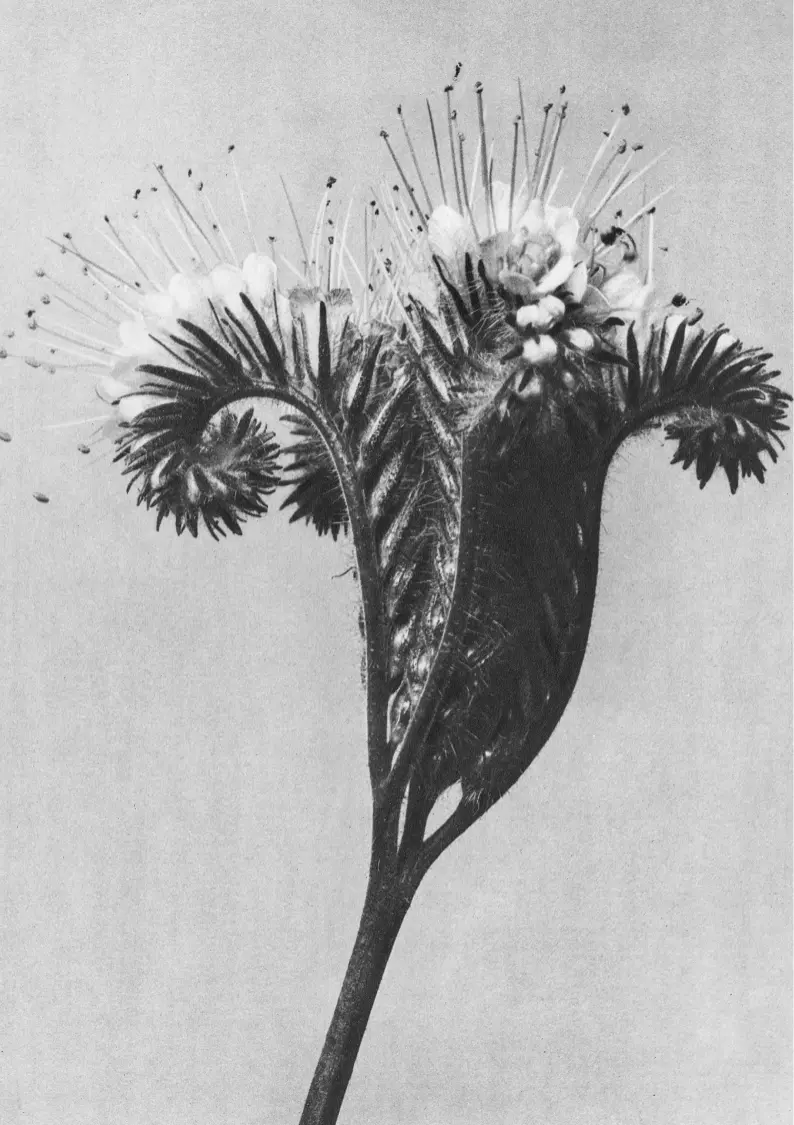
This exquisite compilation showcases a diverse array of photographs that capture the essence of different eras and cultures, reflecting the unique styles and perspectives of each artist.
How much does The Stories Book cost?
This exquisite compilation showcases a diverse array of photographs that capture the essence of different eras and cultures, reflecting the unique styles and perspectives of each artist.
When will The Stories Book be released?
This exquisite compilation showcases a diverse array of photographs that capture the essence of different eras and cultures, reflecting the unique styles and perspectives of each artist.
Are signed copies available?
This exquisite compilation showcases a diverse array of photographs that capture the essence of different eras and cultures, reflecting the unique styles and perspectives of each artist.
Got questions?
Feel free to reach out.